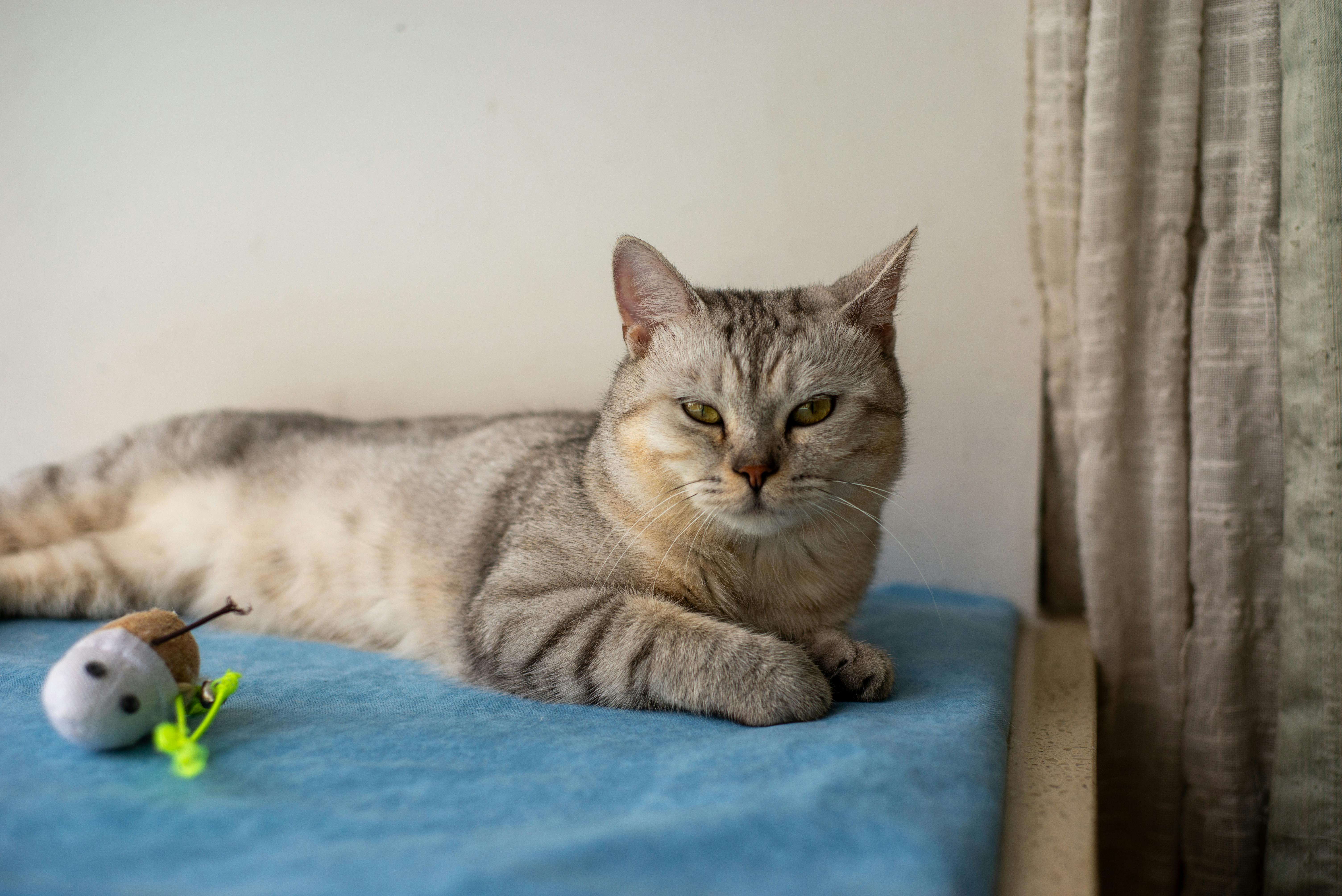
The American Shorthair is one of the healthiest and longest-lived cat breeds available. Their working-cat heritage, shaped by centuries of natural selection for survival in the American climate, has produced a breed with robust genetics and minimal breed-specific health concerns. Many American Shorthairs live 18–20 years or more. However, like all breeds, they have predispositions that responsible owners should monitor.
Obesity
Obesity is the most significant health threat to American Shorthairs. Their hearty appetite, moderate activity level, and tendency to overeat make them one of the most obesity-prone breeds. Excess weight leads to diabetes, joint problems, heart disease, and significantly shortens lifespan.
Prevention is straightforward: measure food portions, avoid free-feeding, limit treats to 10% of daily calories, and ensure daily exercise through interactive play. Weigh your cat monthly and track trends. If your cat begins to gain weight, address it early — adjusting portions and increasing play before obesity develops.
Dental Disease
Periodontal disease affects an estimated 70% of cats by age 3, and American Shorthairs are no exception. Signs include bad breath, red or swollen gums, difficulty eating, and pawing at the mouth. Dental disease causes chronic pain and can lead to systemic infections affecting the heart, kidneys, and liver.
Daily tooth brushing with cat-specific enzymatic toothpaste is the gold standard. Annual professional dental cleanings under general anesthesia are recommended, especially for cats showing early signs of gingivitis or tartar buildup.
Cardiac Health
Hypertrophic cardiomyopathy (HCM) is the most common heart disease in cats. While American Shorthairs are not among the highest-risk breeds, they can still develop HCM. Annual cardiac screening from age 5 onward via echocardiogram is recommended for early detection.
Kidney Disease
Chronic kidney disease (CKD) is common in senior cats of all breeds. American Shorthairs' exceptional longevity means many will experience some degree of kidney decline in their later years. Ensure adequate hydration through wet food and water fountains. Annual blood work from age 7 onward monitors kidney function.
Signs of kidney disease include increased thirst and urination, weight loss, reduced appetite, and lethargy. Early detection through blood work allows dietary management and medication that can significantly extend quality of life.
[warning]If your senior American Shorthair suddenly increases water consumption or begins urinating outside the litter box, contact your vet promptly. These are early signs of kidney disease or diabetes — both manageable with early intervention.
Urinary Health
While not as prone to urinary issues as some breeds, American Shorthairs can develop feline lower urinary tract disease (FLUTD), particularly if overweight or dehydrated. Ensure adequate water intake, maintain a clean litter box, and monitor for signs of urinary problems — frequent visits, straining, or blood in urine.
Recommended Preventive Screening Schedule
American Shorthair owners should follow this screening timeline:
- Kitten (2–6 months) — Baseline blood work, FeLV/FIV testing, vaccination series
- Young adult (1–5 years) — Annual wellness exam with weight monitoring and dental assessment
- Adult (5–10 years) — Add annual cardiac screening, biannual blood work
- Senior (10+ years) — Biannual vet visits, kidney function tests, thyroid panel, blood pressure monitoring
American Shorthairs are remarkably healthy cats whose greatest health risk — obesity — is entirely preventable with proper feeding and exercise. With routine veterinary care, weight management, and dental hygiene, your American Shorthair can thrive for 15–20 years as a healthy, happy companion.