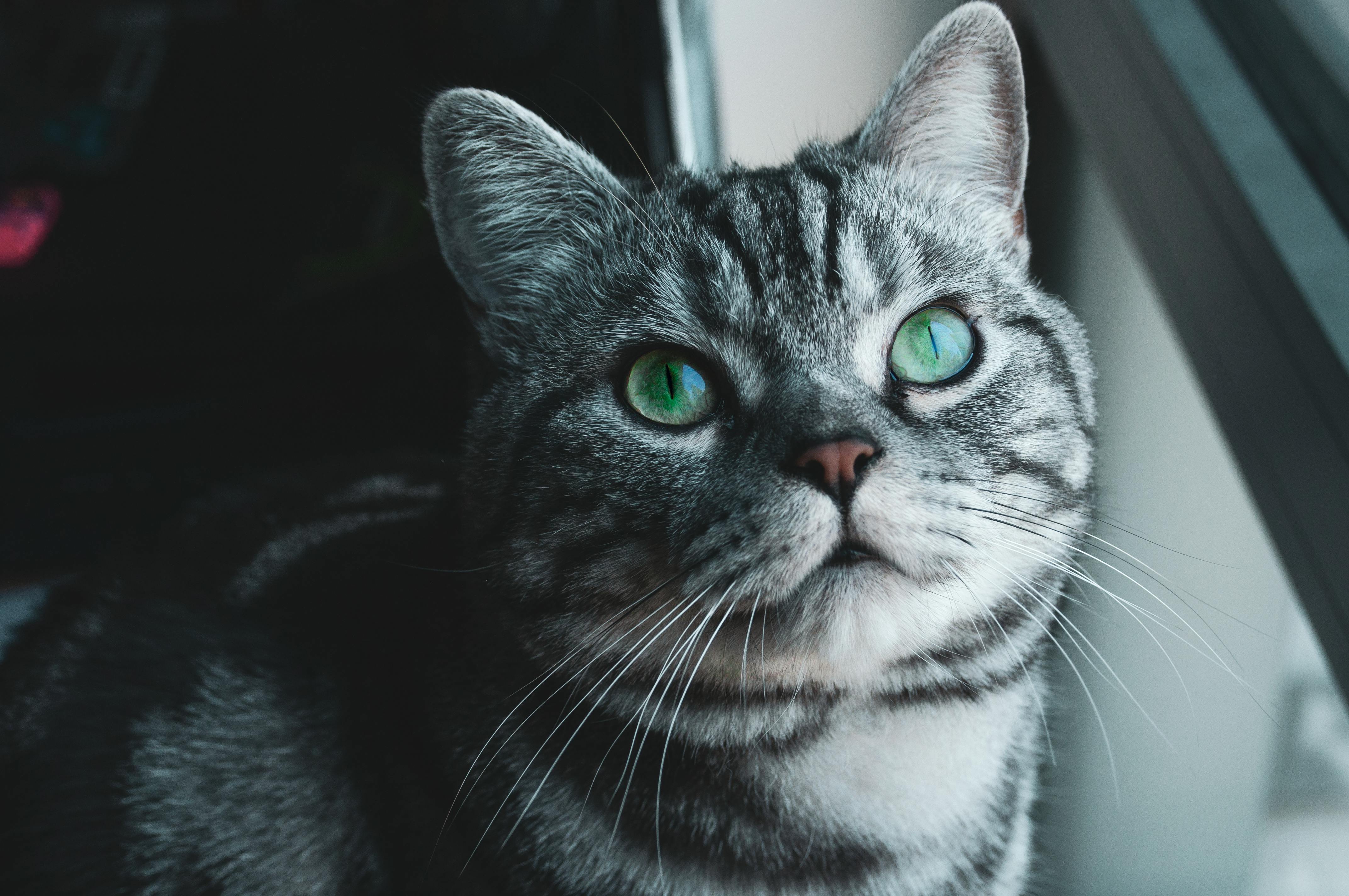
The American Shorthair is the quintessential American cat — a muscular, medium-sized working cat with a short, dense coat and one of the most easygoing personalities in the feline world. Descended from cats that arrived on the Mayflower, this breed has been shaped by centuries of natural selection for health, hardiness, and adaptability. Caring for an American Shorthair is refreshingly straightforward, making them one of the best breeds for both new and experienced cat owners.
Daily Care Routine
American Shorthairs are moderately active cats who thrive on a balanced routine of play, meals, and rest. They are not demanding or high-maintenance, but they do benefit from structured daily interaction and environmental enrichment.
- Morning — Refresh water, offer measured breakfast portion, 10-minute interactive play session with a wand toy
- Afternoon — Solo play with puzzle feeders or balls, window perch time for bird-watching
- Evening — Second measured meal, 10–15 minute interactive play, litter box check, quiet companionship
Provide one litter box per cat plus one extra, using unscented clumping litter in a large, uncovered box. American Shorthairs are adaptable and typically have no litter box issues when provided with a clean, accessible box in a quiet location.
Exercise and Enrichment
American Shorthairs have moderate energy levels — they enjoy active play sessions but are equally content lounging in a sunny spot. Their hunting instincts are strong, and they excel at chase games, pouncing on toys, and investigating any new addition to their territory.
Provide a sturdy scratching post, a comfortable cat bed near a window, and rotating toy selections to keep them engaged. Puzzle feeders and treat-dispensing toys challenge their intelligence and prevent boredom. American Shorthairs particularly enjoy toys that simulate prey — feather wands, motorized mice, and crinkle balls.
[tip]American Shorthairs retain their working-cat instincts and make excellent mousers. If you live in an area with rodents, your American Shorthair may naturally take on pest-control duties — a trait that has been valued for over 400 years.
Weight Management
The most significant health concern for American Shorthairs is obesity. Their easygoing nature and moderate activity level can lead to weight gain if overfed. Obesity causes diabetes, joint problems, and heart disease — all of which shorten your cat's already impressive lifespan.
Measure food portions carefully and avoid free-feeding. You should be able to feel your cat's ribs with light pressure but not see them. A noticeable waist should be visible from above. If your American Shorthair begins to gain weight, increase play sessions and reduce treats.
[warning]Never put a cat on a crash diet. Rapid weight loss in cats can cause hepatic lipidosis (fatty liver disease), a potentially fatal condition. If your cat needs to lose weight, work with your vet to create a gradual, safe weight-loss plan.
Health Screening
American Shorthairs are among the healthiest cat breeds, but proactive screening is still important. Annual wellness exams should include weight assessment, dental evaluation, and blood work. From age 5 onward, add annual cardiac screening for hypertrophic cardiomyopathy. From age 7, monitor kidney function.
Senior Care
American Shorthairs are among the longest-lived cat breeds, with many reaching 18–20 years. As your cat enters their senior years (around age 10–12), switch to a senior-formulated diet, increase veterinary checkups to every six months, and monitor for age-related conditions like arthritis, kidney disease, and hyperthyroidism.
American Shorthair care is refreshingly straightforward. With proper nutrition, weight management, and regular veterinary care, your easygoing companion will thrive for well over a decade — possibly two.