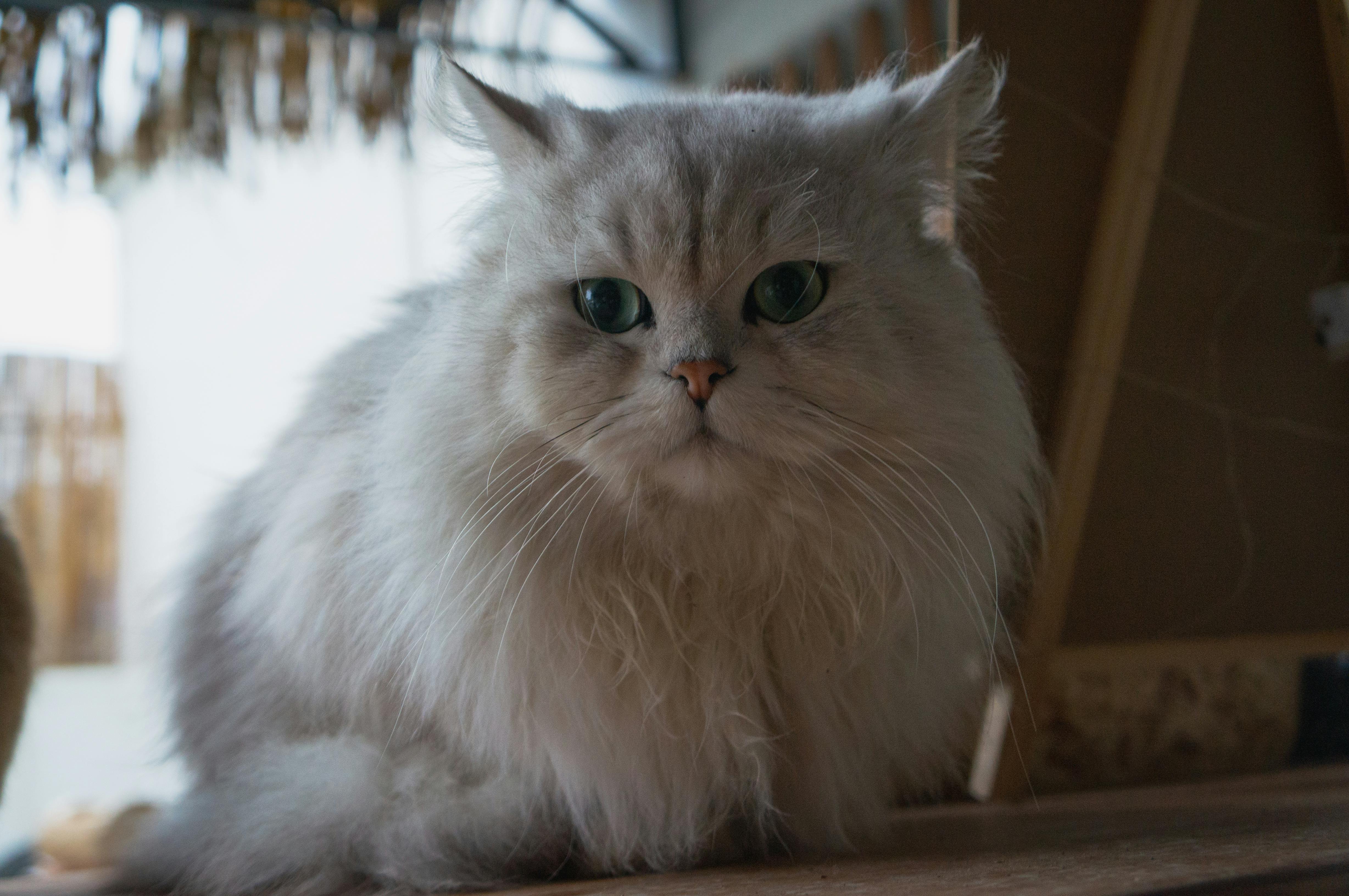
The Persian cat is a medium-sized, long-coated breed with a calm disposition and relatively low metabolic rate. Their distinctive flat face creates unique feeding challenges, and their genetic predisposition to kidney disease makes dietary choices particularly important. Proper nutrition is essential for maintaining your Persian's luxurious coat, healthy kidney function, and overall wellbeing.
Understanding Nutritional Needs
Persians are obligate carnivores who require a diet rich in animal protein. Their ideal diet should contain 30–40% protein, 15–20% fat, and minimal carbohydrates. Their calm lifestyle means they do not burn calories quickly — portion control is essential to prevent obesity, which compounds their existing health concerns.
Key nutrients for Persians include taurine (essential for heart and eye health), omega fatty acids (critical for coat health and reducing matting), controlled phosphorus (for kidney health), and adequate moisture for urinary tract and kidney support.
Flat-Face Feeding Challenges
The Persian's brachycephalic (flat) face creates unique feeding difficulties that many owners do not anticipate:
- Kibble pickup — Their short muzzle and flat nose make it difficult to grasp individual kibble pieces. Choose small, flat, round kibble shapes designed for flat-faced breeds
- Eating speed — Persians tend to eat slowly due to their facial structure, which is actually beneficial for digestion. However, some compensate by gulping, which can cause regurgitation
- Messy eating — Food and water easily cling to the fur around their face and chin. Use shallow, wide bowls that do not touch their whiskers. Wipe their face after meals
- Water intake — Many Persians prefer running water. A cat water fountain encourages adequate hydration, which is especially important for kidney health
[tip]If your Persian seems frustrated with dry kibble, try slightly moistening it with warm water or low-sodium chicken broth. This makes it easier to pick up and increases water intake — beneficial for kidney health.
Portion Guide by Age and Weight
Persians have a moderate metabolic rate and are prone to weight gain. Measured portion feeding is essential:
- Kittens (2–6 months) — 3–4 small meals daily, kitten-formula food. Approximately 1/4 cup kibble per meal plus wet food
- Juveniles (6–12 months) — 2–3 meals daily, 1/4–1/3 cup kibble per meal plus wet food
- Adults (1–10 years) — 2 meals daily, 1/4–1/3 cup total dry food plus 1 small can (3 oz) wet food. Adjust for activity level
- Seniors (10+ years) — 2 smaller meals, switch to senior or kidney-support formula with controlled phosphorus
Managing Picky Eating
Persians are notoriously picky eaters. Their flat face, sensitive whiskers, and discerning palate can make mealtime challenging. Strategies for managing picky eating include:
- Consistency — Feed at the same times and locations daily. Persians thrive on routine
- Temperature — Warm wet food to body temperature (about 100°F) to enhance aroma. Persians rely heavily on scent to stimulate appetite
- Bowl type — Use shallow, wide ceramic or stainless steel bowls. Avoid deep, narrow bowls that touch whiskers
- Gradual transitions — When changing food, mix new and old food over 7–10 days. Persians may refuse entirely if food changes suddenly
[warning]Never leave wet food out for more than 30 minutes. Persians' sensitive noses detect spoilage quickly, and they will refuse to eat food that has been sitting. Remove uneaten portions and offer fresh food at the next scheduled meal.
Kidney Health Nutrition
Polycystic Kidney Disease (PKD) affects a significant percentage of Persians. Even cats without PKD are prone to kidney decline in their senior years. Dietary management is one of the most effective ways to support kidney health:
- Controlled phosphorus — Senior diets should have reduced phosphorus levels to reduce kidney workload
- High moisture — Wet food or water-added diets support hydration and kidney function
- Quality protein — Adequate but not excessive protein supports muscle maintenance without overtaxing kidneys
- Omega-3 fatty acids — EPA and DHA have anti-inflammatory properties that support kidney function
Proper nutrition is fundamental to your Persian's health and longevity. By addressing their unique flat-face feeding challenges, managing portions, supporting kidney health, and accommodating their picky preferences, you help your luxurious companion thrive for 12–17 years or more.