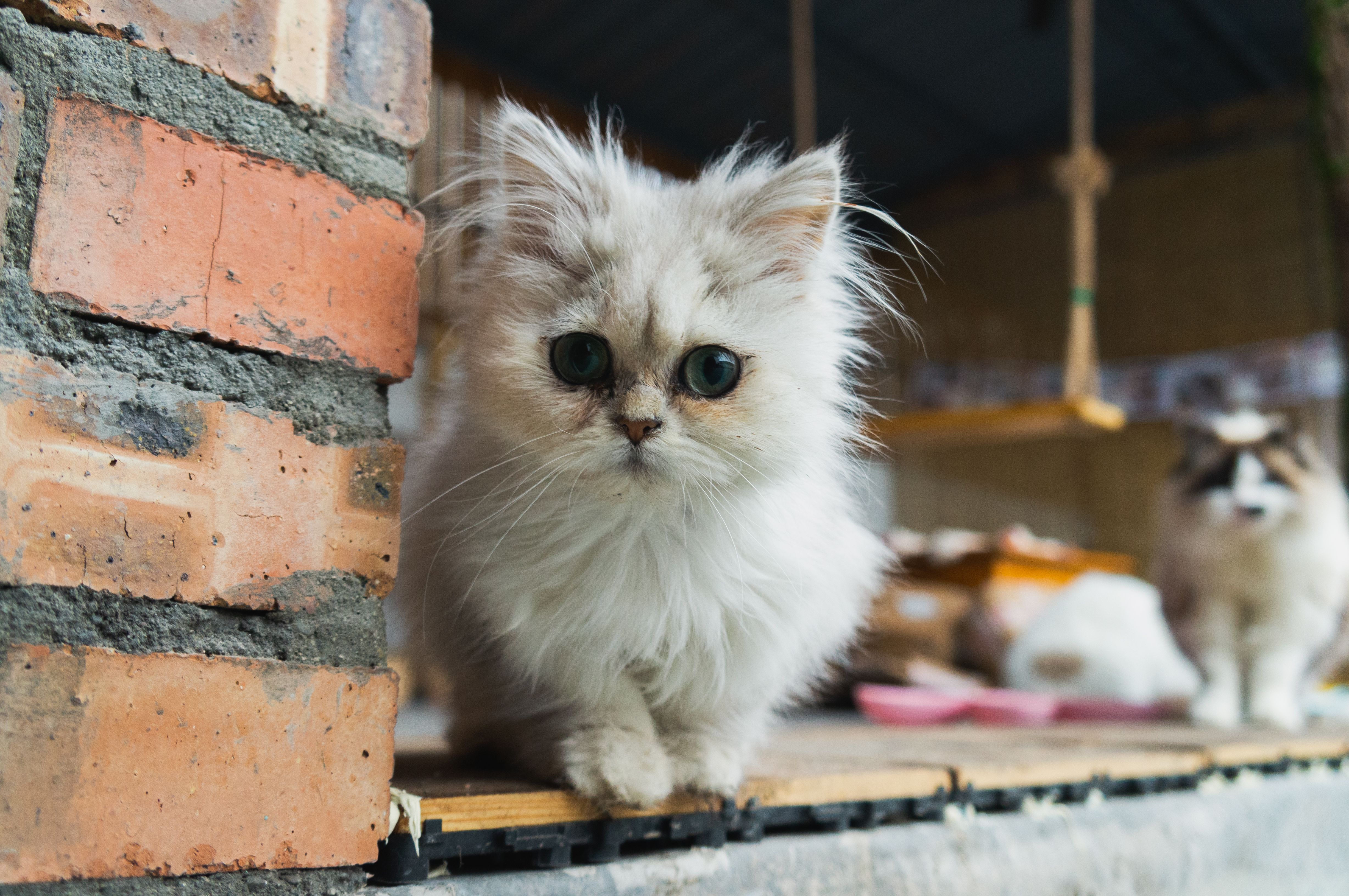
The Persian cat is one of the most beloved and recognizable cat breeds in the world — a stunning, long-coated companion with a distinctive flat face and a temperament as gentle as their appearance is glamorous. Caring for a Persian is a commitment that goes beyond basic cat ownership. Their luxurious coat requires daily maintenance, their flat face demands special attention, and their calm nature means they thrive on routine and tranquility.
Daily Care Routine
Persians are low-energy, high-maintenance cats — they do not demand much activity, but they do require consistent daily care, particularly in grooming and eye maintenance.
- Morning — Daily coat brushing (10–15 minutes), eye cleaning with a damp cotton ball, fresh water, measured breakfast
- Afternoon — Quiet solo time, gentle play with a wand toy for 5 minutes, window perch for bird-watching
- Evening — Second measured meal, brief interactive session, litter box check, quiet lap time
Provide one litter box per cat plus one extra, using unscented clumping litter. Persians are particular about cleanliness — a dirty box may cause avoidance. Their long coat means they can accidentally step in or track litter, so a low-entry box with a mat is ideal.
Grooming Essentials
Grooming is the most demanding aspect of Persian ownership. Their long, fine-textured double coat mats and tangles quickly without daily attention. A consistent grooming routine is not optional — it is essential for your cat's comfort and health.
Daily grooming includes:
- Full coat brushing — 10–15 minutes with a wide-toothed metal comb and slicker brush. Work through the entire body, paying special attention to areas prone to matting: behind the ears, under the arms, around the hindquarters, and between the toes
- Eye cleaning — Wipe the inner corners of both eyes with separate damp cotton balls. Persian's brachycephalic face causes excessive tearing, and crust buildup can lead to infection
- Chin cleaning — Wipe the chin and face after meals to remove food residue. Their flat face makes eating messy
[tip]Many Persian owners choose to keep their cat's coat clipped short in a "lion clip" or "pet clip." This dramatically reduces grooming demands while maintaining the breed's elegant appearance. A professional groomer can perform this clip every 4–6 weeks.
Creating the Ideal Environment
Persians thrive in quiet, predictable environments. They are not climbers or jumpers — they prefer to stay close to the ground and enjoy comfortable, low perches rather than tall cat trees. Provide plush cat beds in warm, draft-free locations.
Persians are sensitive to heat and humidity. Their flat face makes breathing less efficient, and their long coat adds insulation. Keep your home cool (68–72°F), provide fresh water at all times, and watch for signs of overheating — panting, lethargy, or open-mouthed breathing.
Health Screening
Persians have several breed-specific health concerns that require proactive screening:
- PKD (Polycystic Kidney Disease) — DNA test for the PKD1 gene mutation. Annual kidney screening from age 3 onward via blood work and ultrasound
- Respiratory health — Annual assessment of breathing function, especially in ultra-flat-faced individuals
- Eye health — Annual veterinary ophthalmologic examination
- Dental health — Annual dental assessment due to brachycephalic dental crowding
Senior Care
Persians can live 12–17 years with proper care. As your cat enters their senior years (around age 10), increase veterinary checkups to every six months. Monitor kidney function, adjust diet to senior formula, and provide extra cushioning for joints. Grooming may become more difficult for senior Persians — assist with hard-to-reach areas and consider professional grooming.
Persian care is demanding but deeply rewarding. Their gentle, loving nature and stunning beauty make the extra effort worthwhile. With proper grooming, health screening, and a calm environment, your Persian companion will thrive as a beautiful, devoted family member for well over a decade.