Norwegian Forest Cat Care: A Practical Guide to Coat, Climbing and Health
Plan Norwegian Forest Cat care around a seasonal double coat, safe climbing, steady growth and practical health checks, with routines that suit your home.
Read article


Felis catus
A Norwegian climbing companion with a seasonal double coat and an independent streak.
Deep Dive
The Norwegian Forest Cat is associated with Norway, where longhaired cats became the foundation of the modern breed. Its Norwegian name, Norsk Skogkatt, reflects that forest connection. The dense coat and sturdy build help explain its enduring image as a northern cat, but appearance cannot establish an individual animal's ancient ancestry. A household companion with these features should not automatically be described as a documented descendant of Viking ship cats. That attractive story goes beyond what a pet's pedigree can demonstrate.
Norse mythology and local storytelling are often woven into breed introductions. Stories involving supernatural cats or divine chariots belong to cultural history, not to verified breeding records. For a firmer milestone, the Cat Fanciers' Association records Norwegian Forest Cats achieving championship status in 1993. Modern registries, breeders, and recorded pedigrees explain how today's recognized breed is maintained. Keeping those records separate from folklore allows the history to remain interesting without turning speculation into a scientific claim.
That distinction also matters when choosing a cat. A longhaired rescue can be a wonderful companion without a provable breed label, while a registered Norwegian Forest Cat still needs individual assessment. Ask about temperament, early handling, parental health records, and glycogen storage disease IV screening rather than paying for a dramatic origin story. Norwegian Forest Cats, Maine Coons, and Siberians are separate breeds despite overlapping size and coat features. Their shared forest-cat image is not proof that they have interchangeable histories or identical care needs.
A Norwegian Forest Cat often likes being part of household life without requiring constant physical contact. Your cat may choose a nearby shelf while you work, follow an interesting sound into another room, then settle away from busy activity. Companionable does not necessarily mean a committed lap sitter. Offer an invitation to interact and let the cat decide whether to approach. Familiarity, early experiences, age, and health can influence behavior as much as a breed description does.
Curiosity and bursts of play make an enriched indoor environment particularly useful. Many individuals enjoy surveying rooms from a high resting place, stalking a moving toy, or learning how to obtain a small food reward. These preferences call for stable climbing furniture and patient teaching, not access to unsecured balconies or kitchen counters. Short, successful play and training sessions are usually more useful than trying to tire the cat through repeated jumps. Finish while movement remains comfortable and enthusiasm is still evident.
With children or other pets, compatibility depends on respectful introductions and the ability to retreat. Supervise children, teach them to keep hands away from a sleeping cat, and give the cat routes out of shared spaces. Never make a large cat responsible for tolerating rough handling. Quiet vocalization can still communicate a need, while hiding, irritability, or reluctance to climb may signal discomfort rather than independence. The trait scores on this page describe editorial tendencies, not measured predictions for every Norwegian Forest Cat you might meet.
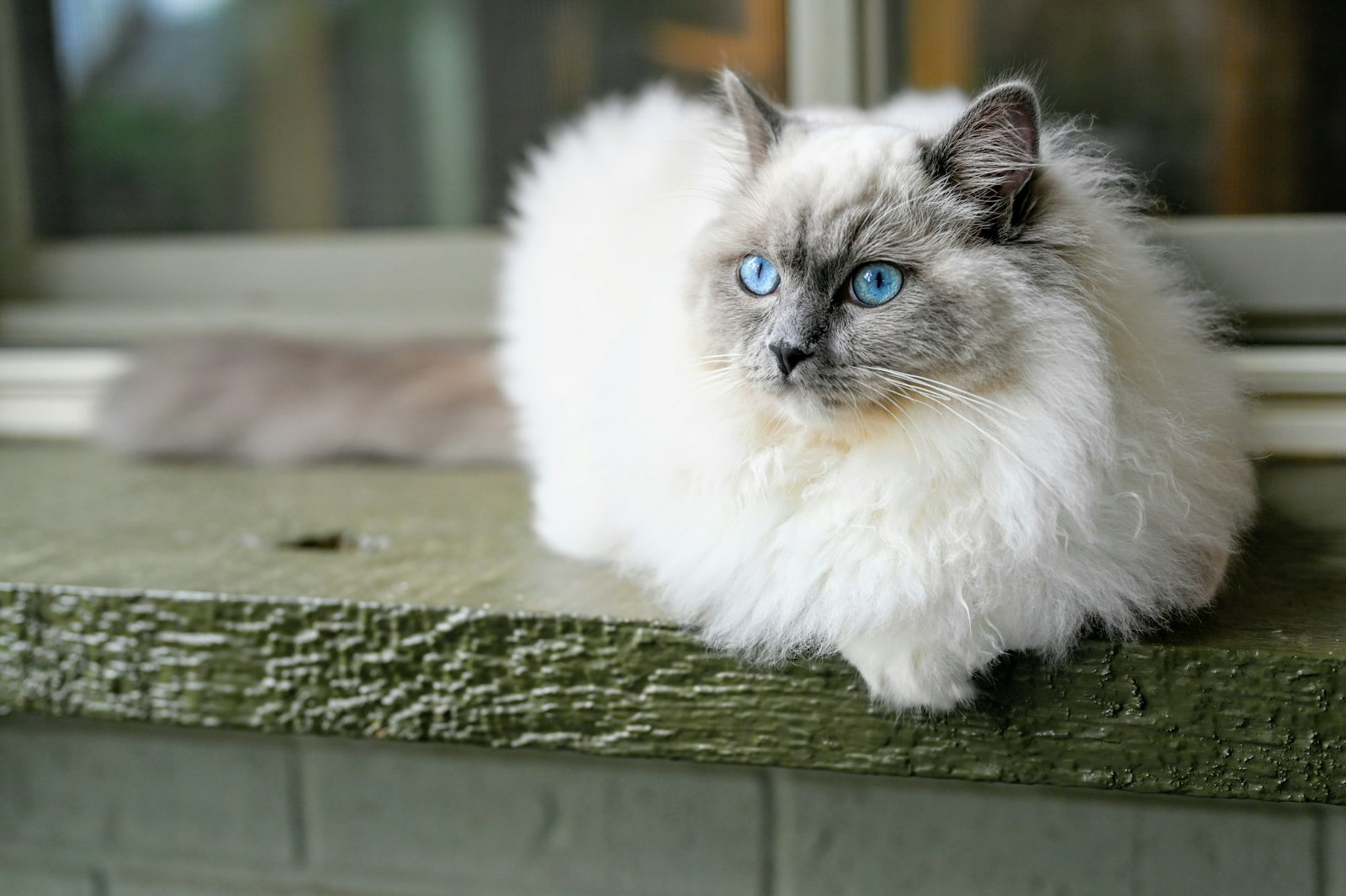
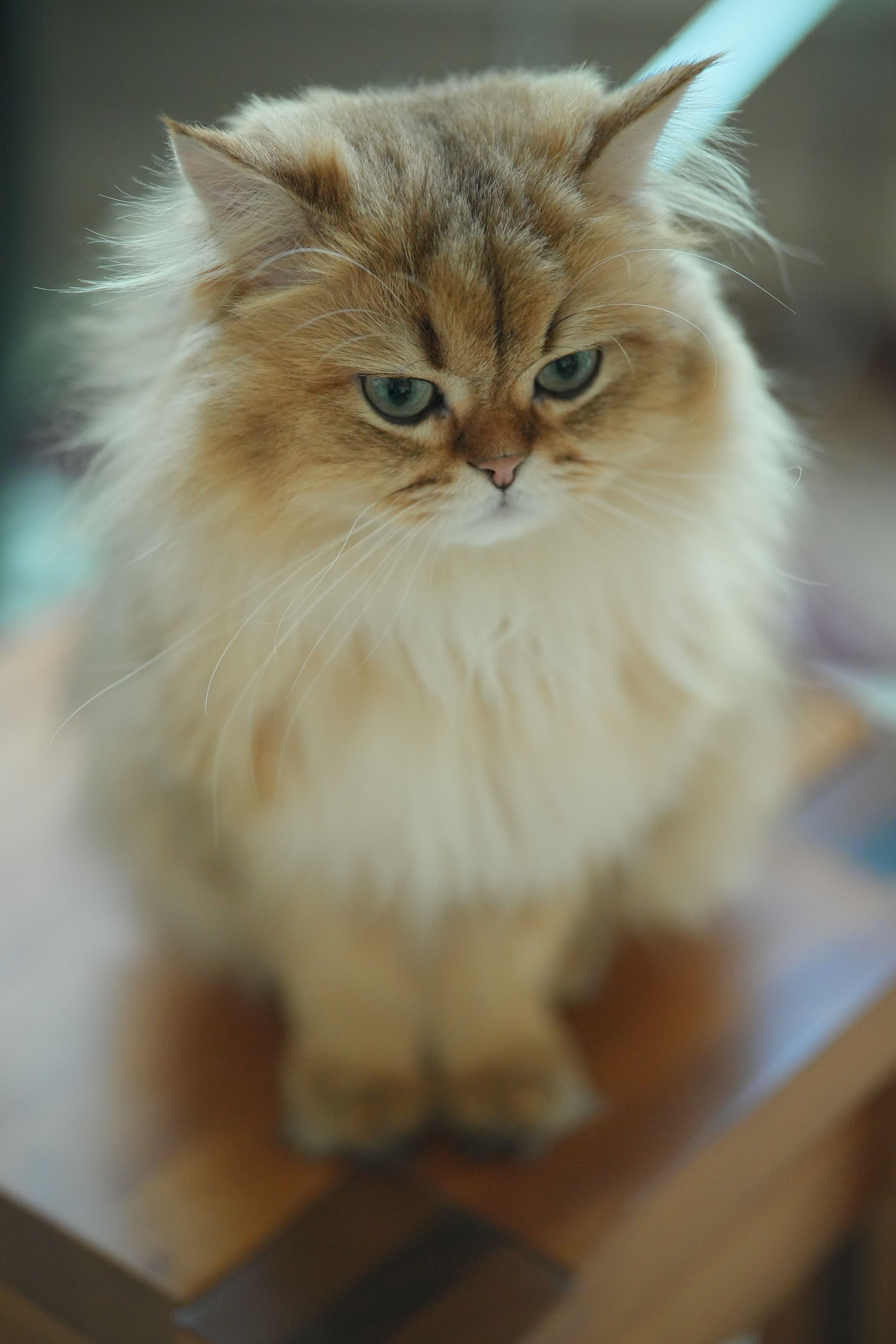
The Norwegian Forest Cat combines a substantial body with a triangular head and a straight profile from brow to nose. A long, full tail and prominent seasonal ruff contribute to the silhouette, although neither feature alone identifies the breed. The Cat Fanciers' Association describes typical adult females at approximately 9-12 pounds and males at 12-16 pounds. Individuals can fall outside those ranges. They are descriptive figures, not target weights that justify increasing food until a smaller cat reaches the upper limit.
Its double coat consists of a dense undercoat and longer protective outer hairs. Winter fullness can give way to a noticeably lighter warm-weather coat, with considerable loose hair during the transition. Indoor conditions and individual coat texture influence how dramatic that change looks. A reduced summer ruff is not necessarily a problem, but bald areas, inflamed skin, or persistent scratching are not ordinary seasonal shedding. Regular combing helps you distinguish loose undercoat from tangles forming close to the skin.
Full physical development can take up to five years, so a young cat may not yet have an adult's body or coat. That slow development does not mean uninterrupted kitten-food portions for five years. Compared with a Maine Coon, the Norwegian Forest Cat is often more slender and has a distinctive triangular facial outline, but there is substantial visual overlap. A Siberian is also a separate breed, not another name for this cat. Photographs and fluff are unreliable substitutes for documented ancestry when identification matters.
Living with a Norwegian Forest Cat works best when your home offers both vertical interest and easy movement. Choose broad resting platforms, securely anchored furniture, and intermediate steps so a large cat can descend without a single dramatic leap. Check shelf fixings and fabric surfaces regularly. A window view can be excellent enrichment, but insect screens and partly open windows are not dependable barriers. Secure a catio or other enclosure properly before treating outdoor access as part of the daily routine.
Build ordinary care into brief, predictable interactions. Check the coat for knots, scoop spacious litter trays, refresh water, and provide measured meals from a complete feline diet suited to life stage. Schedule focused play when the cat is receptive rather than insisting on activity during rest. During seasonal shedding, divide grooming across several short sessions instead of wrestling through the entire coat. A second comfortable resting area lets your companion opt out of visitors, household noise, or unwanted attention.
Budget for routine veterinary visits, dental care, grooming assistance when needed, and unexpected illness. Before acquisition, review specific screening records, especially parental GSD IV results, instead of accepting a general claim that the line is healthy. As your cat ages, lower favored resting places and make litter access easier if movement changes. Prompt veterinary advice for reduced appetite, altered toileting, or a loss of climbing confidence is more useful than assuming those changes are inevitable features of a large, independent breed.
At a Glance
Ownership Guide
Offer short interactive hunting games and sturdy climbing routes with broad platforms and intermediate steps. Anchor furniture and adjust heights for kittens, heavier adults, or cats with painful joints rather than encouraging spectacular leaps.
Feed a complete feline diet appropriate to life stage, with portions adjusted to veterinary advice and hands-on body-condition checks beneath the coat. Slow maturation does not justify unlimited feeding, and treats should supply no more than 10 percent of daily calories.
Comb through the seasonal double coat gently several times weekly, increasing checks during heavy shedding. Stop at painful or tightly attached mats and arrange professional help rather than cutting close to the skin.
Reward approaching the carrier, using a safe perch, and accepting a brief touch with small portions from the daily food allowance. Keep sessions short and allow withdrawal instead of using punishment or restraint to force compliance.
Introduce new people and pets gradually, with separate resources and escape routes. Supervise children and teach them that a cat's decision to leave ends the interaction, even when the cat is large and normally sociable.
Review GSD IV screening documentation and discuss cardiac assessment, mobility, dental health, vaccination, and parasite prevention with your veterinarian. A clear genetic result concerns the tested variant and does not replace ongoing examinations or guarantee lifelong health.
Wellness
This serious autosomal recessive disorder is documented in Norwegian Forest Cats, with early kitten deaths or progressive neuromuscular and cardiac illness in survivors. DNA testing distinguishes clear, carrier, and affected genotypes, so ask for identifiable parental reports rather than a generic health promise.
HCM is a thickening disease of the heart muscle reported in this breed and other cats. Discuss examination and echocardiography with your veterinarian, as a normal check today or an unrelated DNA panel cannot exclude all future heart disease.
Hip dysplasia is reported in Norwegian Forest Cats, although stiffness and reduced jumping have other possible causes. Arrange an examination for altered movement and provide intermediate steps without assuming large size makes discomfort normal.
Excess body fat is a general feline concern, not a defining inherited Norwegian Forest Cat disorder. Feel body condition beneath the ruff and review portion sizes with your veterinarian rather than judging health from a fluffy outline.
Seasonal undercoat shedding can produce tight tangles in friction areas such as the armpits and behind the ears. Painful mats, sores, or a sudden inability to groom deserve professional assessment, not forceful brushing.
Urinary problems can affect any cat and are not presented here as a breed-specific inherited risk. Repeated straining with little or no urine requires immediate veterinary assessment, especially if the cat is distressed or vomiting.
Documented GSD IV testing supports informed breeding decisions, while routine examinations and dental care can identify problems needing attention. These measures improve decision-making and monitoring without guaranteeing that inherited or acquired illness will never develop.
Further Reading

Plan Norwegian Forest Cat care around a seasonal double coat, safe climbing, steady growth and practical health checks, with routines that suit your home.
Read article
Feed your Norwegian Forest Cat for healthy condition, not maximum size, with life-stage food, measured portions, hydration and a clear calorie-label example.
Read articleUnderstand Norwegian Forest Cat health, including GSD IV inheritance, cardiac checks, joint comfort and the warning signs that need urgent veterinary attention.
Read article
Teach your Norwegian Forest Cat useful habits with reward-based training, safe perch choices, carrier practice and gentle handling that respects feline limits.
Read article
Manage Norwegian Forest Cat grooming with gentle undercoat checks, seasonal combing routines, safe mat handling and clear signs that skin needs veterinary care.
Read article
Picture daily life with a Norwegian Forest Cat, from sturdy perches and quiet companionship to children, other pets, travel plans and choosing the right match.
Read articleYou May Also Like