Burmese Cat Care Guide: A Practical Routine for Every Stage
Build a practical Burmese cat care routine with daily play, gentle handling, home safety, measured meals, and clear signs that call for veterinary advice.
Read article
Felis catus
A satin-coated, muscular companion who wants a place in your everyday life.
Deep Dive
The modern Burmese story centers on Wong Mau, a brown female brought to the United States in 1930. Breeding work involving Siamese cats helped establish the distinctive Burmese appearance, rather than simply preserving an unchanged ancient population. The name reflects roots associated with Burma, now Myanmar, while much of the documented modern breed development took place in America. This distinction matters when a sales description presents a romantic origin story as proof of an individual cat's ancestry or health. Pedigree records can document a breeding line, but neither an evocative name nor an attractive coat replaces health information and responsible care.
American and European Burmese developed along different breeding and registry paths. In the Cat Fanciers' Association, Burmese and European Burmese are distinct registry identities, so a color list or head description must be read in its proper context. CFA Burmese recognizes sable, champagne, blue, and platinum, while other registry traditions use different terminology and accept additional colors. American cats are generally described as stockier with broader, rounder heads than British or European examples. The similarly named Birman is a different breed, commonly recognized by its longer colorpoint coat, blue eyes, and white feet. Neither name is an alternative spelling of the other. When choosing a companion, ask which registry and standard the paperwork refers to, then focus on the actual cat's comfort, sociability, and documented medical history.
A Burmese often wants to participate rather than watch from another room. You may find a companion beside your keyboard, investigating a cupboard, or returning a small toy for another game. Breed descriptions consistently emphasize affection and prolonged playfulness, but this is a tendency, not a promise that every individual welcomes visitors or enjoys being carried. Offer attention through several channels: a short hunting game, a comfortable nearby bed, or gentle contact the cat initiates. A cat who chooses proximity while declining a cuddle is still being social. Letting that choice stand helps preserve trust and makes everyday handling easier over time.
Curiosity and quick learning can become useful skills when you reward a target touch or a relaxed visit to the carrier. They can also produce repeated interruptions if moving onto the kitchen counter always brings an exciting response. Arrange a safe alternative perch and reward it before a conflict begins. Children should sit calmly, keep toys away from their own fingers, and allow the cat to leave without pursuit. Compatibility with another pet depends on introductions and personalities, not the Burmese label alone. Provide separate resources and protected resting areas even when animals appear friendly. Our trait scores describe editorial expectations rather than clinical measurements, and a quieter adult or cautious rescue cat can be an equally rewarding companion.
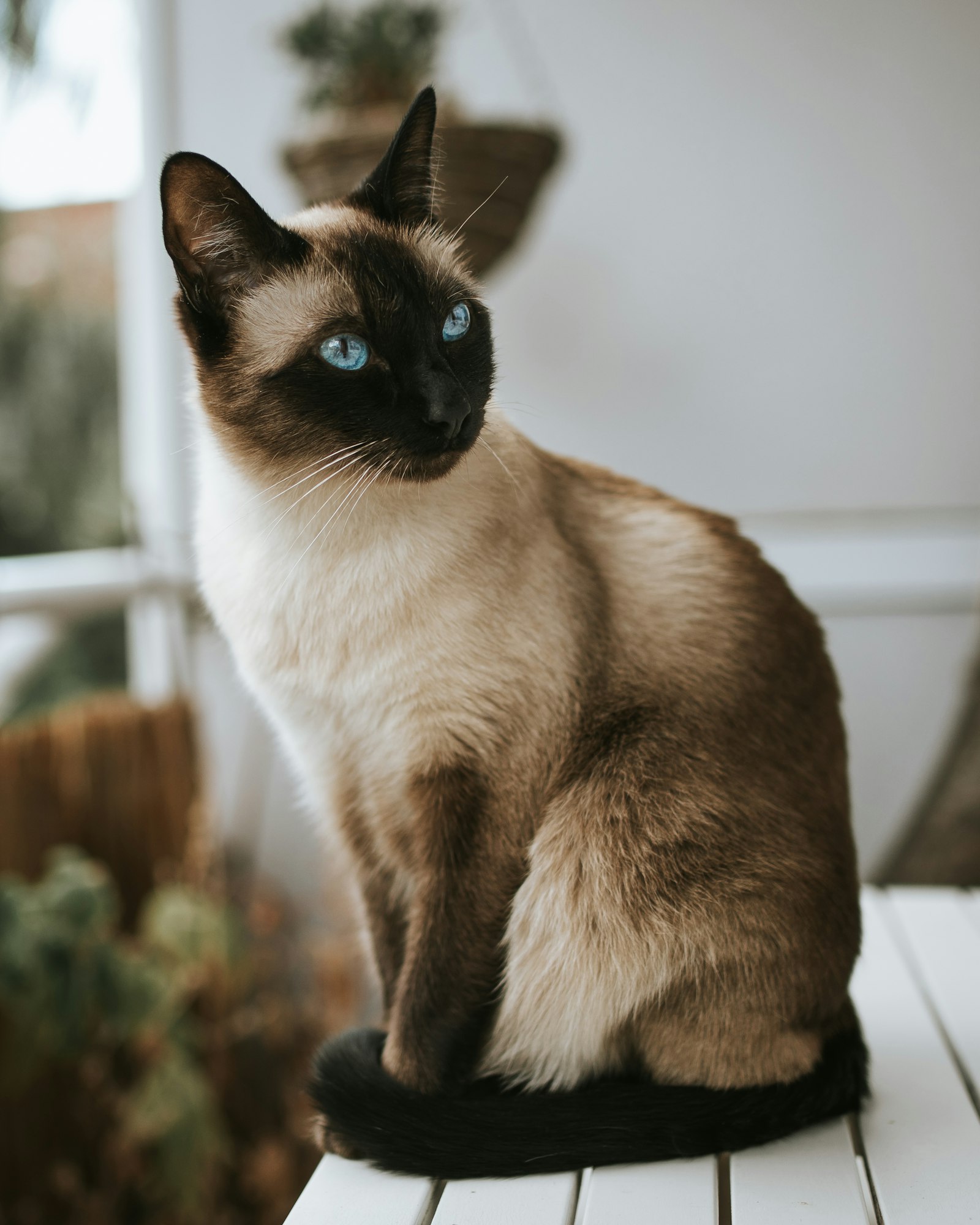
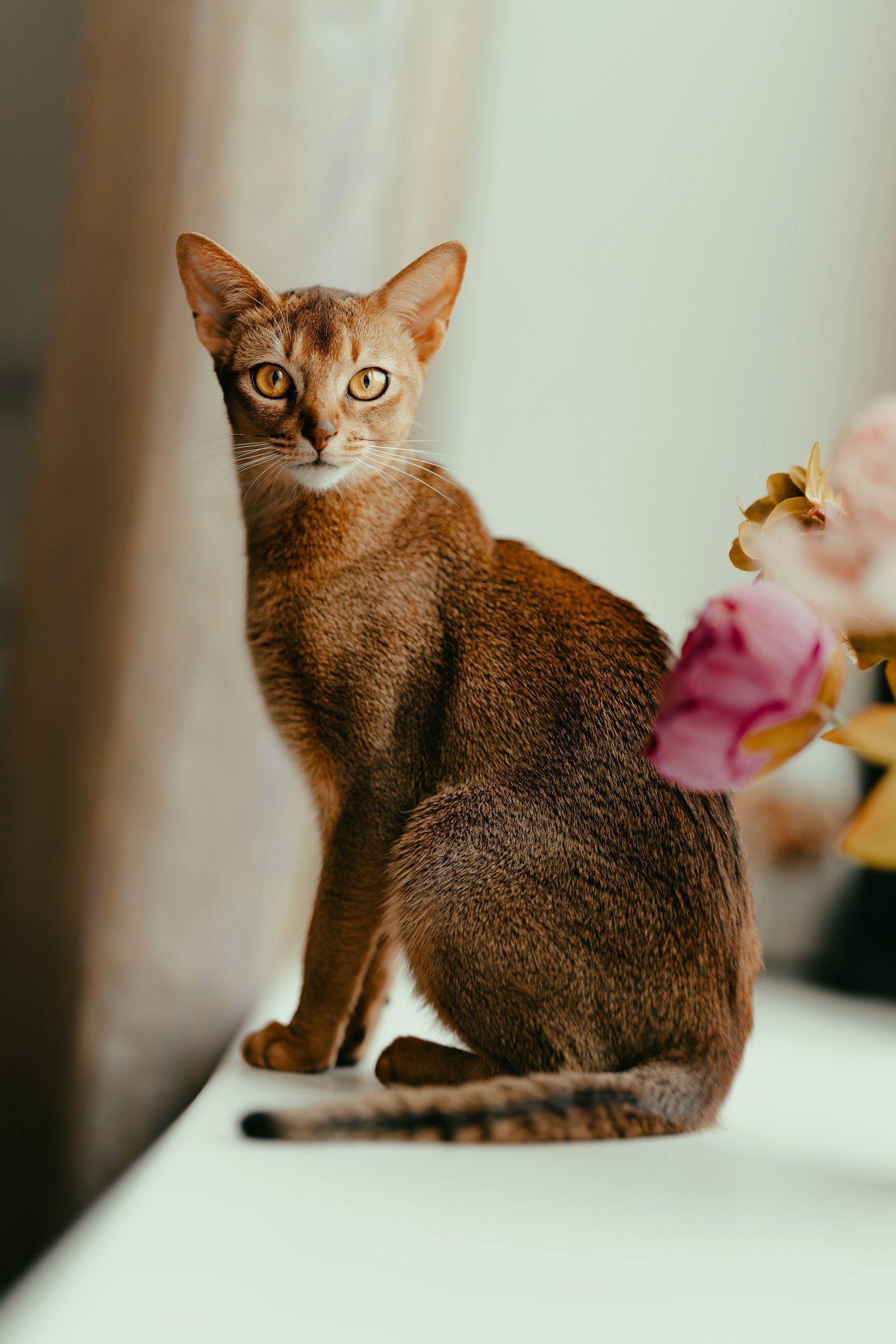
Under the Burmese cat's smooth outline is a compact, muscular body that can feel surprisingly substantial when lifted with proper support. Adults are often described in an approximate range of eight to fifteen pounds, although sex, frame, and breeding line influence size. That range is not a feeding target. You should assess body condition with your veterinary team rather than assume a heavy cat is simply showing its breed's muscle. The coat is short, fine, glossy, and close lying, with a satin-like feel. It still sheds, and no coat color or shorthaired breed can guarantee freedom from allergy symptoms in a person.
American Burmese descriptions emphasize a rounded head and a broad, relatively short muzzle. British or European examples tend toward a less rounded outline, with differences in head shape and body proportions. These are broad registry distinctions rather than two perfectly uniform populations. CFA Burmese colors are sable, champagne, blue, and platinum, while another registry may name or classify similar shades differently. Gold or yellow-toned eyes are characteristic, but photographs, lighting, and age complicate visual identification. A Birman's longer pointed coat and white gloves belong to a separate breed, not a fluffy Burmese variety. Photographs alone cannot authenticate a pedigree. More importantly, discharge, squinting, noisy breathing, or reluctance to eat should never be accepted as attractive breed features, regardless of a cat's face shape.
Living with a Burmese works best when companionship is built into the household rather than saved for occasional long sessions. A play period before breakfast, a safe perch near your work area, and quiet evening contact can provide predictable opportunities to connect. These cats often remain interested in games as adults, so rotate toys and make food puzzles easy enough to succeed. A second animal is not an automatic solution to boredom or distress. Some cats enjoy a compatible companion, while others prefer more space and reliable human attention. If you work away from home, arrange suitable care and observe how your individual cat actually copes.
The short coat keeps grooming manageable, but it does not make the entire care commitment small. Budget for preventive veterinary visits, oral health assessment, complete feline food, clean litter facilities, and unexpected illness. Ask about inherited hypokalemia testing and family medical history when evaluating a breeder, while recognizing that a test cannot rule out every disease. Diabetes risk evidence varies between populations, and a muscular appearance should not disguise creeping weight gain. Gentle brushing and brief handling practice help you notice changes without making the cat feel trapped. Keep windows secure, store strings and medicines safely, and check appliances before closing them. A supervised child can be a delightful play partner when the cat also has an undisturbed retreat. Planning these ordinary details matters more than buying an elaborate collection of accessories.
At a Glance
Ownership Guide
Offer several brief hunting-style games and stable climbing opportunities rather than one exhausting session. Let your Burmese catch the toy, then rest, and adapt play if jumping or stamina changes.
Choose a complete feline diet appropriate to life stage and measure portions against an individual veterinary calorie target. Keep treats at no more than 10% of daily calories and assess body condition rather than using breed weight as a goal.
Start with a gentle weekly brush of the short coat and adjust to loose hair and your cat's tolerance. Introduce toothbrushing and nail handling gradually, but stop and seek advice for pain or inflammation.
Use short reward-based sessions to teach carrier entry, a target touch, or settling on a nearby mat. Give your social Burmese an acceptable way to join activities instead of punishing interruptions.
Introduce new people and animals at a pace your cat can choose, with separate resources and escape routes. Supervise children and never require the cat to tolerate chasing, tight hugs, or forced contact.
Arrange preventive examinations and discuss vaccination, parasite control, oral health, and age-appropriate testing with your veterinarian. Bring family health records or inherited hypokalemia test reports when available, without assuming a clear result guarantees overall health.
Wellness
Elevated diabetes susceptibility is documented in some Burmese populations, including Australian lines, but the same heightened risk has not been observed in North American Burmese. Increased thirst, larger urine clumps, or unexplained weight loss warrant veterinary assessment regardless of ancestry.
Some Burmese inherit a disorder causing episodic low potassium and muscle weakness, sometimes with a drooping neck. Seek prompt veterinary care for weakness and never start potassium supplements or alter a prescribed dose without veterinary direction and monitoring.
FOPS is reported disproportionately in Burmese and can involve severe mouth or facial pain associated with eating or oral movement. Pawing at the mouth, repeated chewing motions, or self-injury require veterinary assessment rather than an assumption of teething or bad behavior.
Gum disease and painful teeth are concerns for cats generally, not proof of a Burmese-specific diagnosis. Drooling, dropping food, halitosis, or resistance to face touching should prompt an oral examination, with imaging or dental treatment as the veterinarian recommends.
A stocky build can make gradual fat gain easy to overlook, although obesity is not exclusive to Burmese cats. Track weight and body condition with your veterinary team and use gradual supervised changes, never fasting, for weight management.
Testing for the recognized inherited Burmese hypokalemia variant can inform breeding decisions when the specific result and parentage are understood. It does not exclude every cause of low potassium, diabetes, mouth pain, or future illness.
Recording appetite, drinking, litter output, movement, and sociability gives your veterinarian a practical baseline. Preventive care and early assessment can support comfort without promising that inherited or age-related disease can always be prevented.
Further Reading

Build a practical Burmese cat care routine with daily play, gentle handling, home safety, measured meals, and clear signs that call for veterinary advice.
Read articlePlan your Burmese cat diet with complete food, measured portions, a calorie-to-grams example, treat limits, and practical advice on appetite and weight changes.
Read articleUnderstand Burmese cat health concerns, including diabetes risk, inherited hypokalemia, dental problems, and facial pain, with clear guidance on seeking care.
Read articleTrain your Burmese cat with rewarding games, calm routines, carrier practice, and cooperative handling while responding thoughtfully to changing behavior.
Read articleKeep your Burmese cat comfortable with gentle coat care, nail checks, gradual toothbrushing, and sensible guidance on skin changes, sore eyes, and mouth pain.
Read articleExplore life with a Burmese cat, from companionship and workday planning to introductions, travel, senior care, and choosing between different registry types.
Read articleYou May Also Like