Living With an Abyssinian Cat: The Eternal Explorer
What it's really like to share your life with an Abyssinian — their boundless energy, curiosity, and the joy of living with this ancient breed.
Read article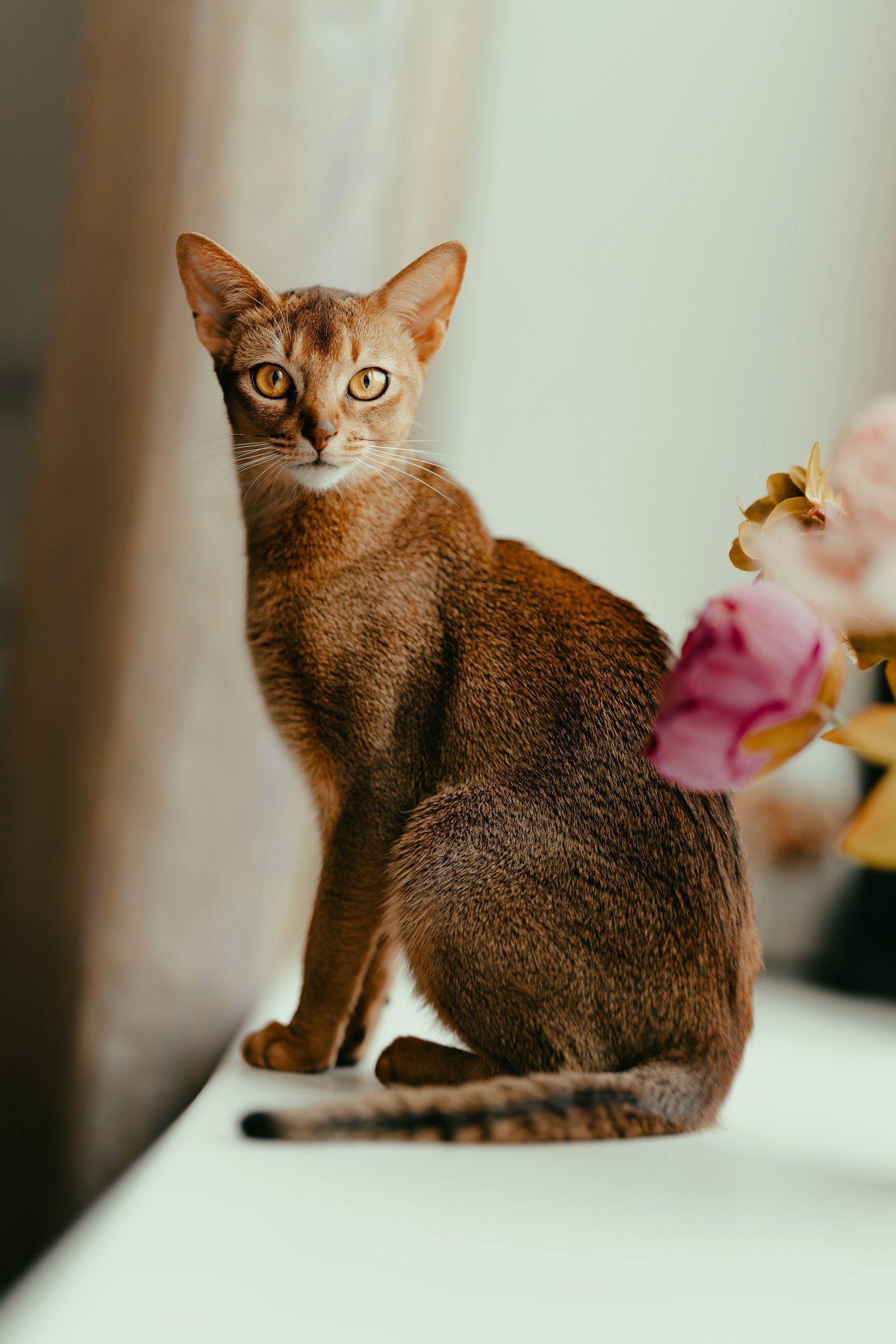
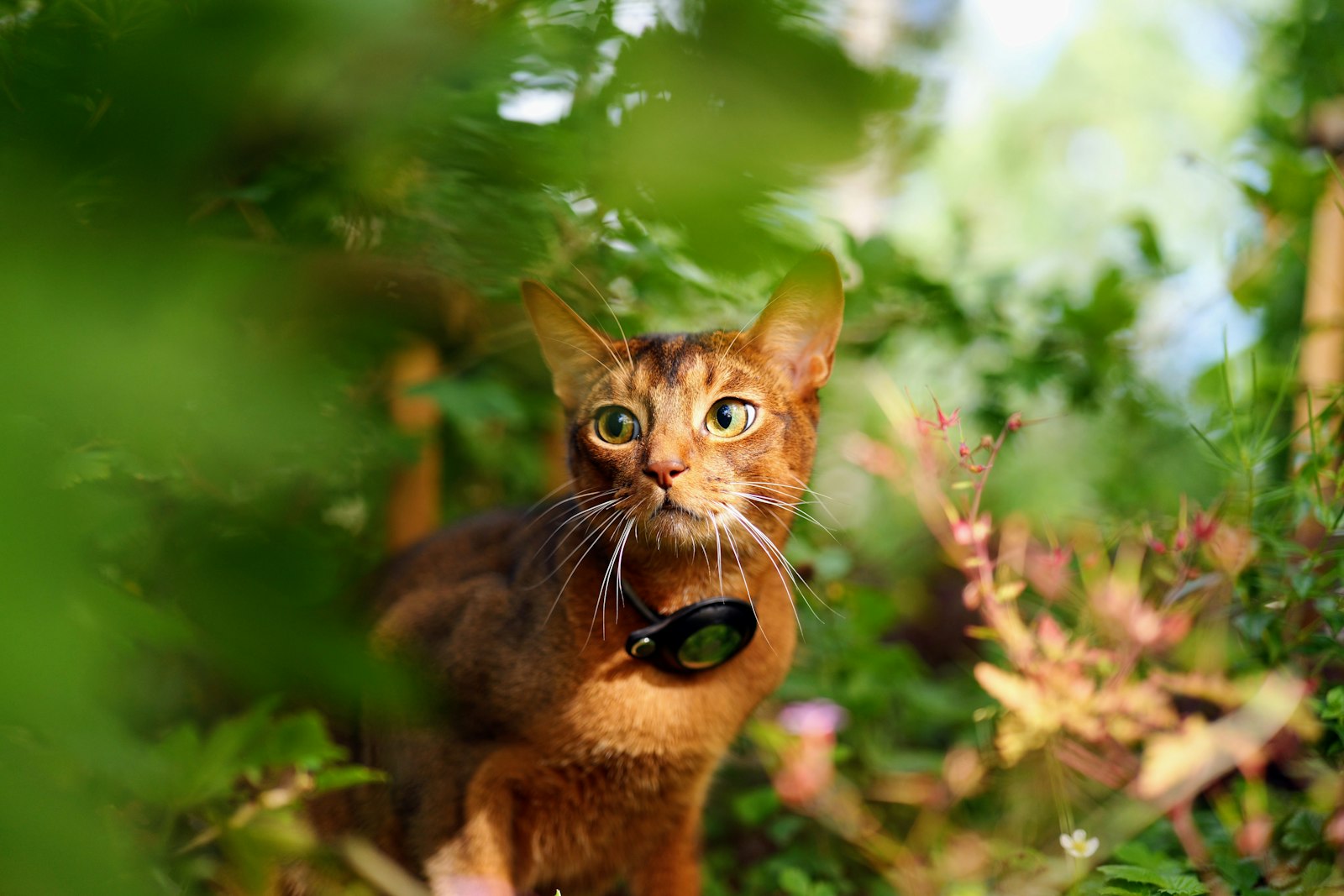
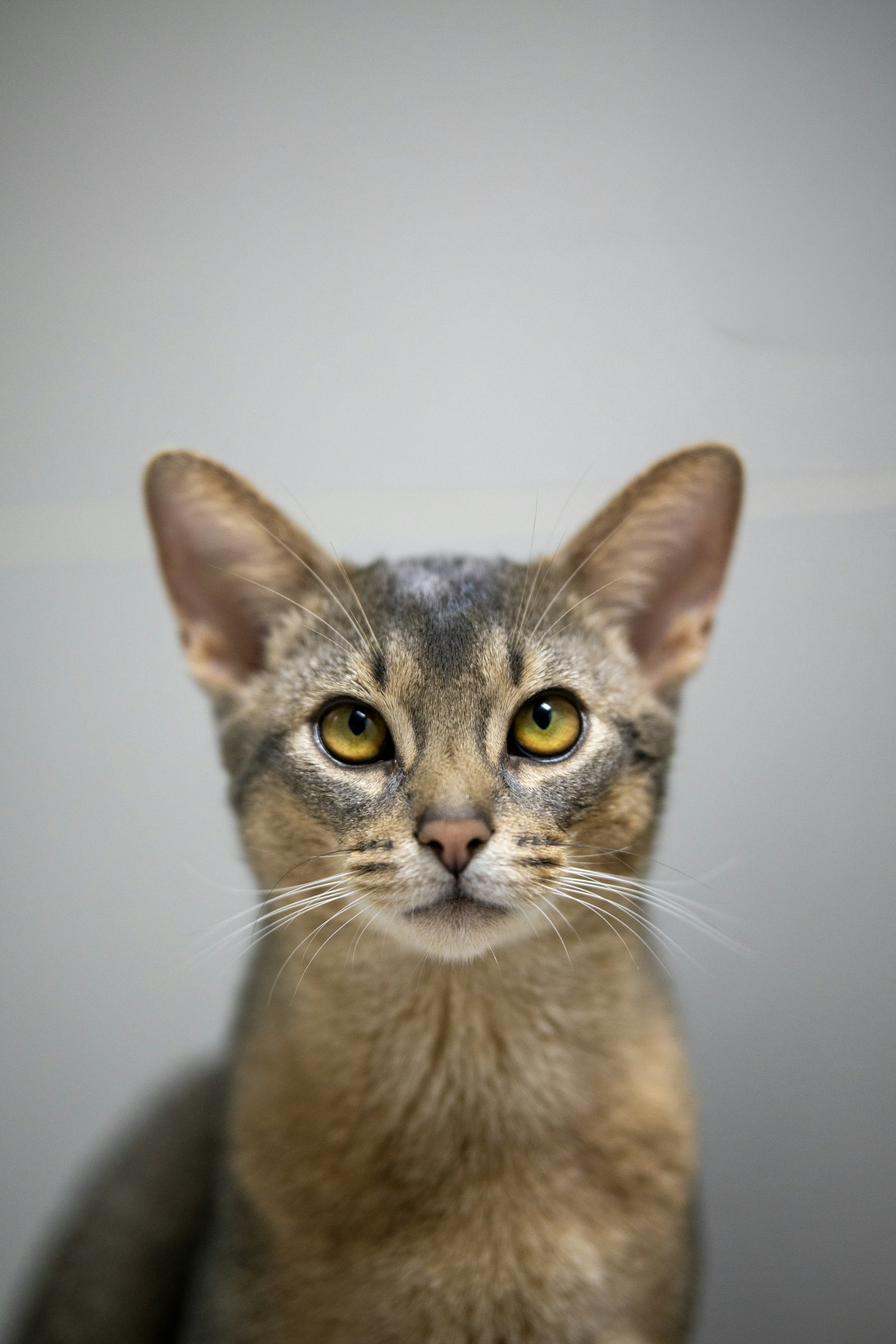
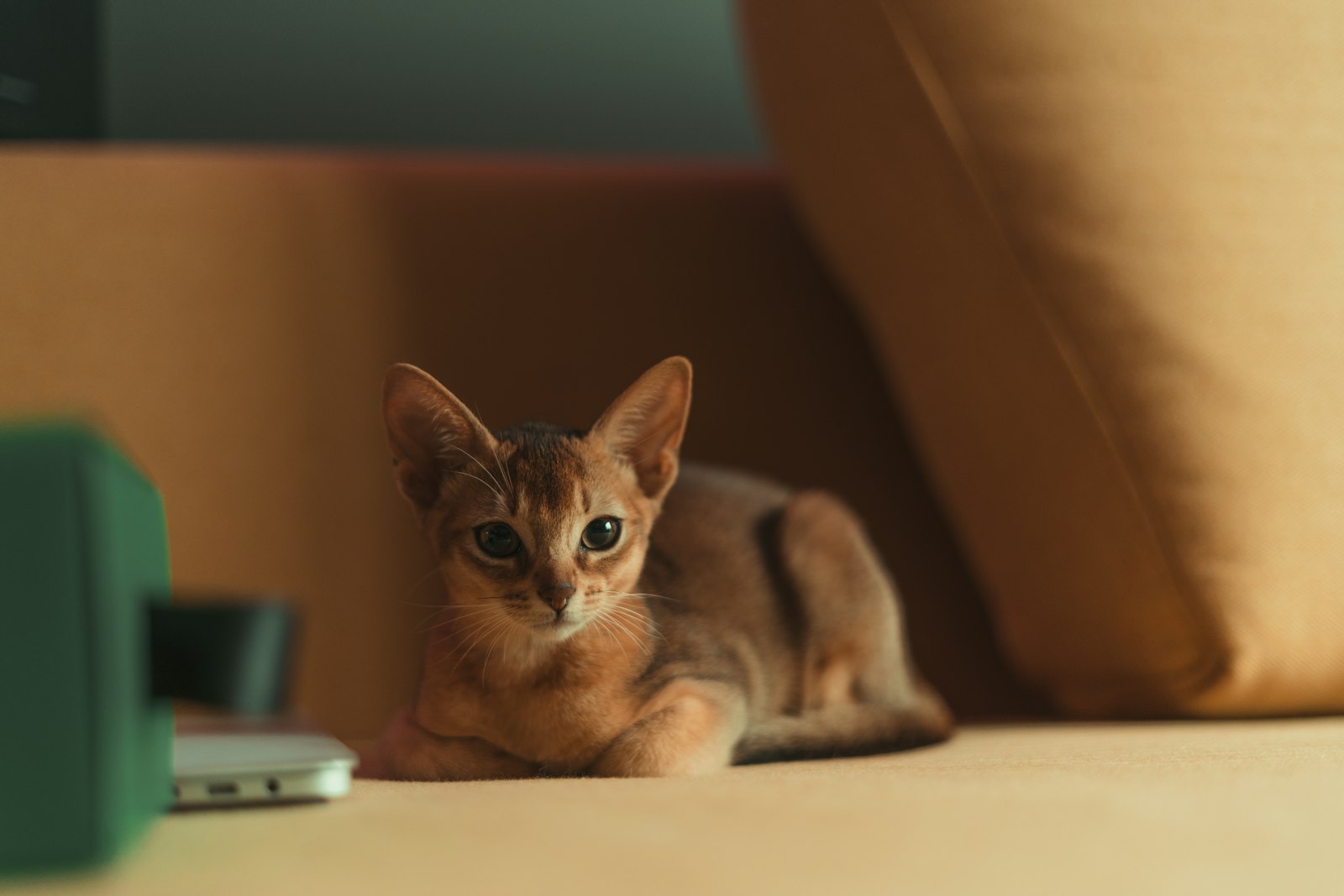
Felis catus
The ancient athlete — wild beauty, boundless energy, and endless curiosity
Deep Dive
The Abyssinian is believed to be one of the oldest cat breeds, resembling the cats depicted in ancient Egyptian art. The breed was named after Abyssinia (now Ethiopia), where early specimens were collected by British soldiers in the 1860s.
However, genetic studies suggest the breed actually originated in Southeast Asia, with the distinctive ticked coat pattern appearing in cats from multiple regions. The first Abyssinian was shown in England in 1871.
Brought to America in the early 1900s, the Abyssinian gained popularity for its wild beauty and active personality. The CFA recognized the breed in 1917. Today, Abyssinians remain beloved for their unique appearance, intelligence, and boundless energy. They are the athletes and explorers of the cat world.
Abyssinians are the athletes and explorers of the cat world. They are constantly in motion — climbing, jumping, investigating, and playing. They need to be involved in everything you do and will inspect every new object, bag, or box that enters your home.
Despite their active nature, Abyssinians are not lap cats. They prefer to be doing something rather than sitting still. They love interactive play, puzzle toys, and high perches. An Abyssinian without stimulation becomes bored and destructive.
They are highly intelligent and social. They bond closely with their families and enjoy being part of household activities. They are not overly vocal but communicate through body language, purrs, and soft chirps. They get along well with active dogs and other cats.
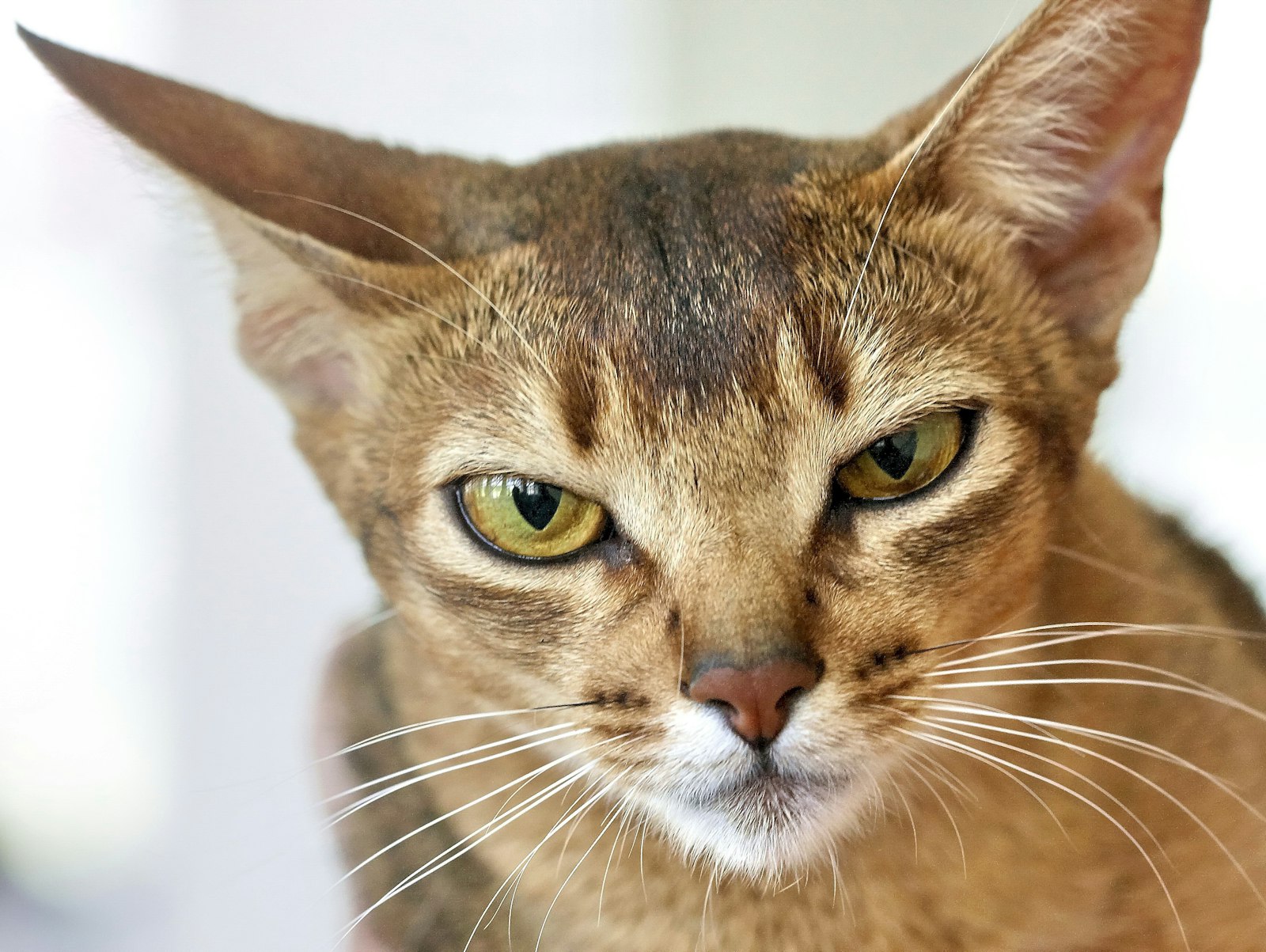
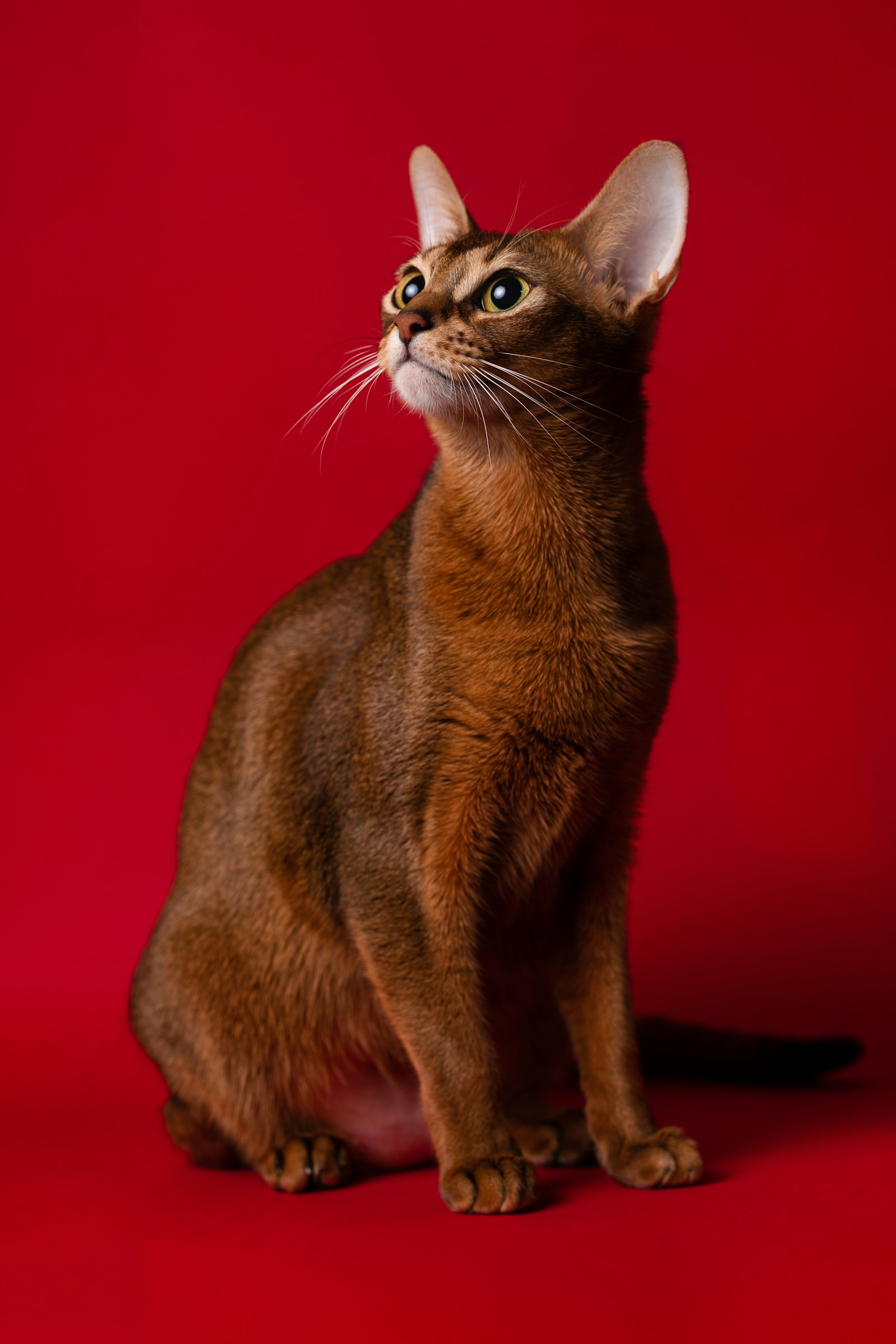
The Abyssinian's most distinctive feature is their ticked coat — each hair has multiple bands of color, creating a warm, glowing appearance. This wild-looking coat resembles that of a small cougar or wild cat.
They have a sleek, muscular body built for agility and speed. Their wedge-shaped head, large ears, and almond-shaped eyes give them an alert, exotic expression. Their eyes are gold, green, or hazel — always bright and expressive.
Common colors include ruddy (warm brown), red (cinnamon), blue, and fawn. The coat is short, fine, and lies close to the body. Despite its low-maintenance appearance, regular brushing keeps it in top condition.
Photo credits: @ihovsky (Unsplash License), @feneek (Unsplash License), @lerston (Unsplash License), @alex_skobe (Unsplash License), @galibagi (Unsplash License), @ihovsky (Unsplash License)
Living with an Abyssinian means living with a cat who is always on the move. They need tall cat trees, interactive toys, puzzle feeders, and daily play sessions. They are not suitable for people who want a quiet, sedentary cat.
Abyssinians thrive in homes with other active pets. They love playing with cat-friendly dogs and will engage other cats in endless games of chase. A solo Abyssinian needs a committed owner who can provide hours of daily interaction.
Their grooming needs are minimal — weekly brushing keeps their short coat healthy. They are generally healthy cats with a lifespan of 12-15 years. Regular vet checkups and dental care complete their care routine.
At a Glance
Ownership Guide
Very high exercise needs — daily interactive play, climbing, and exploring. Provide tall cat trees, puzzle toys, and leash walking opportunities.
Feed high-quality protein-rich food. Active Abyssinians need adequate calories. Split into two meals daily. Fresh water always available.
Low-maintenance coat — brush weekly to remove loose hair and distribute oils. Minimal shedding. Regular nail trimming and dental care.
Highly trainable — learn tricks, fetch, and leash walking. They need mental challenges. Puzzle toys and training sessions prevent boredom.
Social and adaptable. They get along with active dogs and other cats. Early socialization ensures confidence. Consider a companion pet.
Annual wellness exams. Discuss dental care, kidney health (PK deficiency), and retinal screening. Active cats need joint support.
Wellness
Abyssinians are robust, athletic cats with good overall health from responsible breeders.
With proper care, Abyssinians commonly live 12-15 years.
Pyruvate kinase deficiency causes anemia. Genetic testing is available — ask breeders.
Progressive retinal atrophy (PRA) can cause vision loss. Regular eye exams help detect early.
Abyssinians are prone to periodontal disease. Regular dental care is essential.
Amyloidosis can affect the kidneys in some lines. Regular blood work helps monitor kidney function.
Further Reading
What it's really like to share your life with an Abyssinian — their boundless energy, curiosity, and the joy of living with this ancient breed.
Read articleComplete Abyssinian grooming guide covering their unique ticked coat, brushing, dental care, and routine maintenance.
Read articleExpert training guide for Abyssinian cats covering their intelligence, athletic ability, tricks, and mental stimulation needs.
Read articleComprehensive guide to Abyssinian cat health including PK deficiency, retinal atrophy, dental disease, and preventive care.
Read articleComplete nutrition guide for Abyssinian cats covering high-energy diet, protein needs, and feeding tips for this athletic breed.
Read articleComplete care guide for Abyssinian cats covering exercise, grooming, nutrition, training, and health for this active ancient breed.
Read articleYou May Also Like