Siberian Cat Care Guide: A Practical Routine for Every Season
Siberian cat care starts with a sturdy climbing space, seasonal coat checks, measured meals, and sensible vet visits. Build a routine that fits your cat.
Read article


Felis catus
A warm-hearted Russian climber with a magnificent, seasonally changing triple coat.
Deep Dive
The Siberian developed from longhaired cats associated with Russia, rather than from a recent cross designed around a single unusual feature. Its substantial body and insulating coat fit the familiar image of a northern forest cat. Stories place similar cats deep in Russian history, but a traditional origin story is not the same thing as a continuous, documented pedigree. Modern breed records provide firmer milestones than claims about an exact ancient founding date. For an owner, this distinction keeps an appealing heritage from becoming a collection of unsupported health or survival promises.
The Cat Fanciers' Association dates the first imports into the United States to 1990. CFA registration followed in 2000, with championship recognition in 2007. International breeding and exhibition helped formalize the appearance now associated with the Siberian, including a rounded impression, powerful build, and triple coat. Recognition dates describe the development of organized breeding, not the first existence of these cats. The breed's Russian background also does not mean a modern companion should live outdoors or tolerate prolonged exposure to harsh weather.
Today, choosing a Siberian should involve more than appreciating its history. Ask about the individual cat's temperament, handling experience, family health information, and the breeder's approach to cardiac assessment. Rescue organizations may also have adults whose routines are already understood. Pedigree paperwork cannot establish allergy safety or guarantee freedom from future disease. The useful legacy of this breed is an athletic, engaging companion whose needs you can meet, not an assumption that natural origins remove the need for careful husbandry.
A Siberian often wants to investigate whatever you are doing, whether that means watching a cupboard open or settling near a home workstation. Many enjoy company without spending every waking moment on a lap. Affection can look like following you between rooms, inviting a game, or resting within touching distance. These are tendencies rather than a promise about every kitten. An adult's observed preferences, previous experiences, and comfort in your household tell you more than a breed label alone.
The combination of strength, curiosity, and playfulness makes useful outlets especially valuable. Give your cat a stable lookout, a substantial scratching surface, and chances to pursue a wand toy along the floor. Reward a chosen perch instead of repeatedly lifting a heavy cat off forbidden surfaces. Short training sessions can build carrier confidence and comfortable grooming cooperation. A Siberian that pauses or walks away is communicating, not failing a test of intelligence. Avoid chasing with a brush, forcing cuddles, or using punishment to suppress exploratory behavior.
Some Siberians settle well with respectful children and other pets, but introductions still need time and supervision. Children should learn to invite interaction while the cat retains an easy escape route to a private resting place. Existing animals need separate resources before supervised access is gradually increased. A confident appearance does not mean a cat enjoys noisy handling or being cornered. The trait scores here are editorial descriptions of common tendencies, not clinical measurements or guarantees. Notice your own cat's signals and make companionship feel safe enough to choose.
The Siberian has a substantial, muscular body, a rounded head, and a full tail that can make its outline look larger still. Adult females commonly weigh around 8-12 pounds and males around 12-18 pounds according to CFA, but these are descriptive ranges rather than feeding goals. A smaller healthy individual does not need extra food to qualify as the breed. Physical development may continue for several years, sometimes approaching five, while nutritional life-stage changes should follow veterinary advice rather than waiting for that birthday.
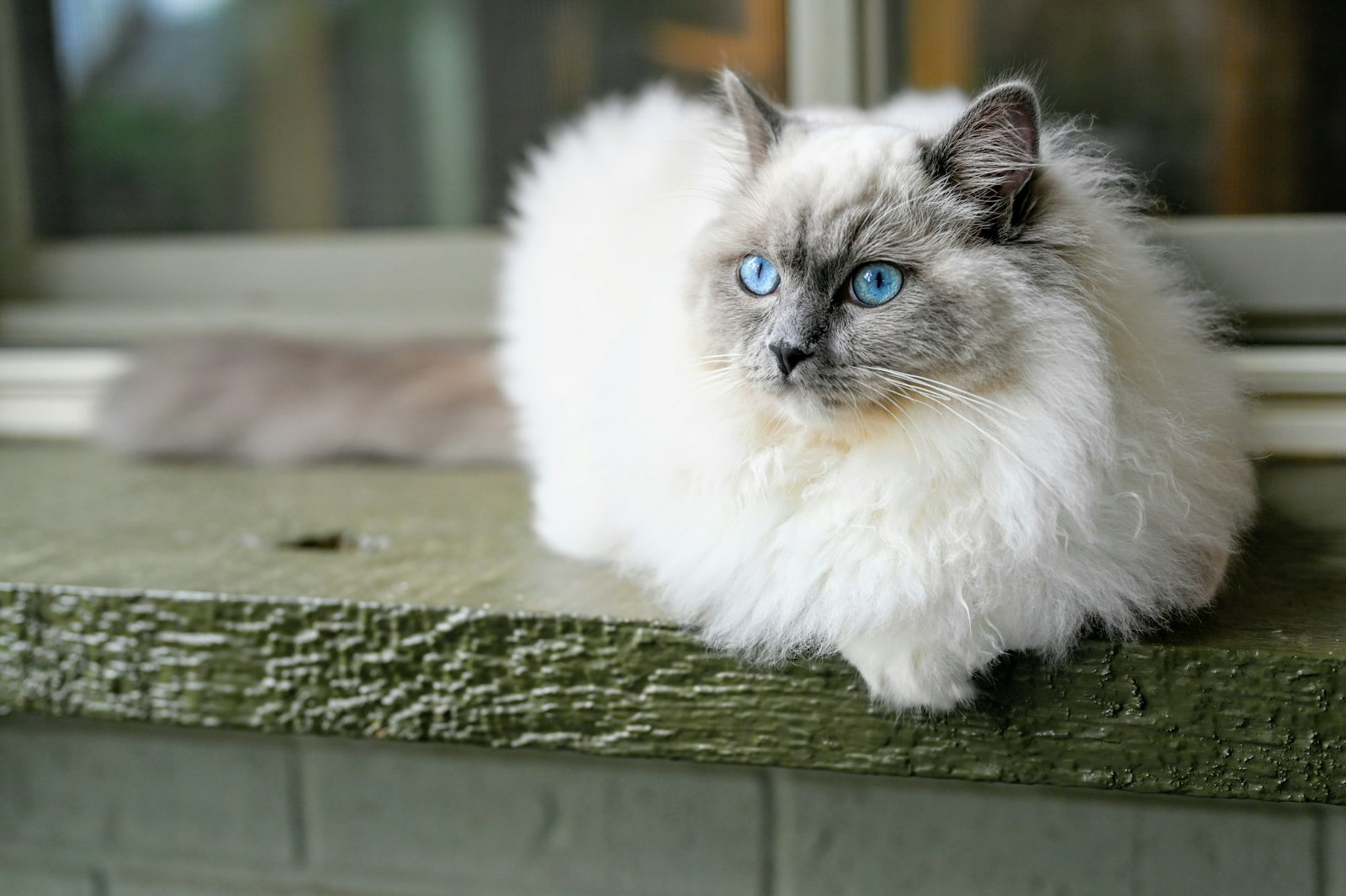
Its signature triple coat combines outer guard hairs, intermediate awn hairs, and an insulating undercoat. Density changes with the seasons, so a winter ruff and fuller furnishings can give way to a much lighter summer appearance. Indoor lighting and temperature can influence the pattern you notice at home. Colors and markings vary widely, and coat fullness also differs between individuals. A longhaired cat with a similar silhouette is not necessarily a Siberian without reliable background information. Neither a particular color nor a dramatic ruff indicates superior health.
Look beneath the outline when assessing condition. Your hands should help locate ribs through the coat, and your veterinarian can assess both body fat and muscle. A thick undercoat can conceal weight gain, weight loss, or a mat close to the skin. Check behind the ears, under the front legs, and around the hindquarters during relaxed handling. Seasonal shedding alone is expected, but bare patches, irritated skin, or a sudden decline in grooming deserve attention. Beautiful fur is a feature to maintain comfortably, not a reason to overlook the cat underneath.
Living with a Siberian works best when your home is arranged for a strong climber rather than merely decorated for a fluffy cat. Choose broad resting platforms, secure furniture using appropriate fixings, and provide intermediate steps where needed. Scratching posts must stay steady under a full stretch. An apartment can work well when it offers usable vertical space, daily interaction, and quiet retreats. A large house with no accessible resources is not automatically the better environment. Secure windows and balconies before allowing unsupervised exploration.
Build a routine around measured meals, brief interactive games, clean litter facilities, and regular coat checks. Combing needs often increase during seasonal shedding, so leave room in your schedule for extra short sessions. Share care responsibilities explicitly rather than assuming someone else noticed a missed meal. The Siberian's substantial frame does not justify unrestricted feeding, and its slow physical maturation does not mean it should remain on kitten food for years. Preventive veterinary visits, dental care, and a discussion of appropriate cardiac screening belong alongside the more visible grooming work.
Allergies deserve a separate decision before adoption. No Siberian can be guaranteed allergy-free, and preliminary Fel d 1 research cannot predict whether an individual person will tolerate an individual cat. Discuss significant allergies or asthma with your clinician rather than treating a brief visit as proof of safety. Families also need supervised child interactions, gradual pet introductions, and a practical plan for travel care. With realistic expectations, this breed can offer warm companionship without requiring constant entertainment, but it still needs reliable daily attention and the freedom to rest undisturbed.
At a Glance
Ownership Guide
Offer brief interactive hunting games and stable climbing routes that support a substantial adult cat. Anchor suitable furniture, provide broad landing areas, and adapt height and effort to your cat's mobility rather than demanding spectacular jumps.
Use a complete feline diet for the appropriate life stage and measure portions against an individual veterinary calorie target. Keep treats within 10% of daily calories, and assess ribs and muscle beneath the coat rather than feeding toward a breed maximum weight.
Comb the triple coat regularly and check friction areas more often during seasonal shedding. Work in short, rewarded sessions, and ask a veterinarian or skilled cat groomer to manage tight mats rather than cutting close to the skin.
Teach carrier entry, a station on a stable mat, and comfortable touch through tiny reward-based steps. Respect pauses and departures, and offer an acceptable perch or scratcher instead of punishing normal feline exploration.
Introduce household changes gradually, with separate resources and retreat spaces for each animal. Supervise children and teach them to invite contact without lifting, chasing, or blocking the cat's escape route.
Arrange regular examinations and discuss heart assessment in light of your Siberian's family history, age, and findings. A clear DNA panel or one normal cardiac scan cannot promise lifelong freedom from HCM, so agree on sensible follow-up with your veterinarian.
Wellness
Cornell includes Siberians among breeds with increased HCM prevalence, although not every Siberian develops disease. Discuss family records and whether echocardiography is appropriate, and do not interpret a generic negative DNA panel as an all-clear.
Obesity is a general feline risk, not proof of a Siberian-specific inherited disorder. Assess body condition and muscle under the triple coat, and avoid overfeeding a smaller cat to reach a published adult weight range.
Seasonal undercoat release can leave uncomfortable tangles in friction areas. Sudden matting, skin inflammation, or difficulty reaching the back may also indicate pain or illness and deserves veterinary assessment.
Dental disease affects cats of many backgrounds and should not be dismissed because a Siberian still eats. Drooling, altered chewing, or persistent bad breath merit a mouth examination and an individual dental plan.
Urinary obstruction and appetite loss are general feline concerns rather than established Siberian-specific predispositions. Straining without passing urine is an emergency, while reduced appetite needs prompt veterinary advice rather than fasting or watchful waiting for days.
A record of weight, meals, litter use, and activity helps your veterinary team interpret subtle changes. Regular preventive care supports comfort and timely investigation, but cannot prevent every inherited condition.
Stable climbing furniture, manageable grooming sessions, and predictable access to resources can reduce avoidable household hazards and stress. Adapt these supports as your cat ages instead of expecting lifelong athletic performance.
Further Reading

Siberian cat care starts with a sturdy climbing space, seasonal coat checks, measured meals, and sensible vet visits. Build a routine that fits your cat.
Read article
Feed your Siberian cat for lean muscle, not a giant-breed target. Learn food-label math, life-stage choices, portion checks, and healthier treat routines.
Read articleSiberian cat health deserves more than a clean genetic panel. Understand heart screening, subtle changes, weight checks, and signs needing urgent help.
Read article
Teach your Siberian cat useful skills through short reward-based sessions. Turn climbing, scratching, carrier practice, and busy evenings into calm habits.
Read article
The Siberian triple coat changes with the seasons. Learn gentle combing, mat prevention, tool choices, and when coat or skin changes need veterinary care.
Read article
Living with a Siberian cat means planning for a strong climber and a changing coat. Explore family routines, allergy realities, shared space, and travel.
Read articleYou May Also Like